
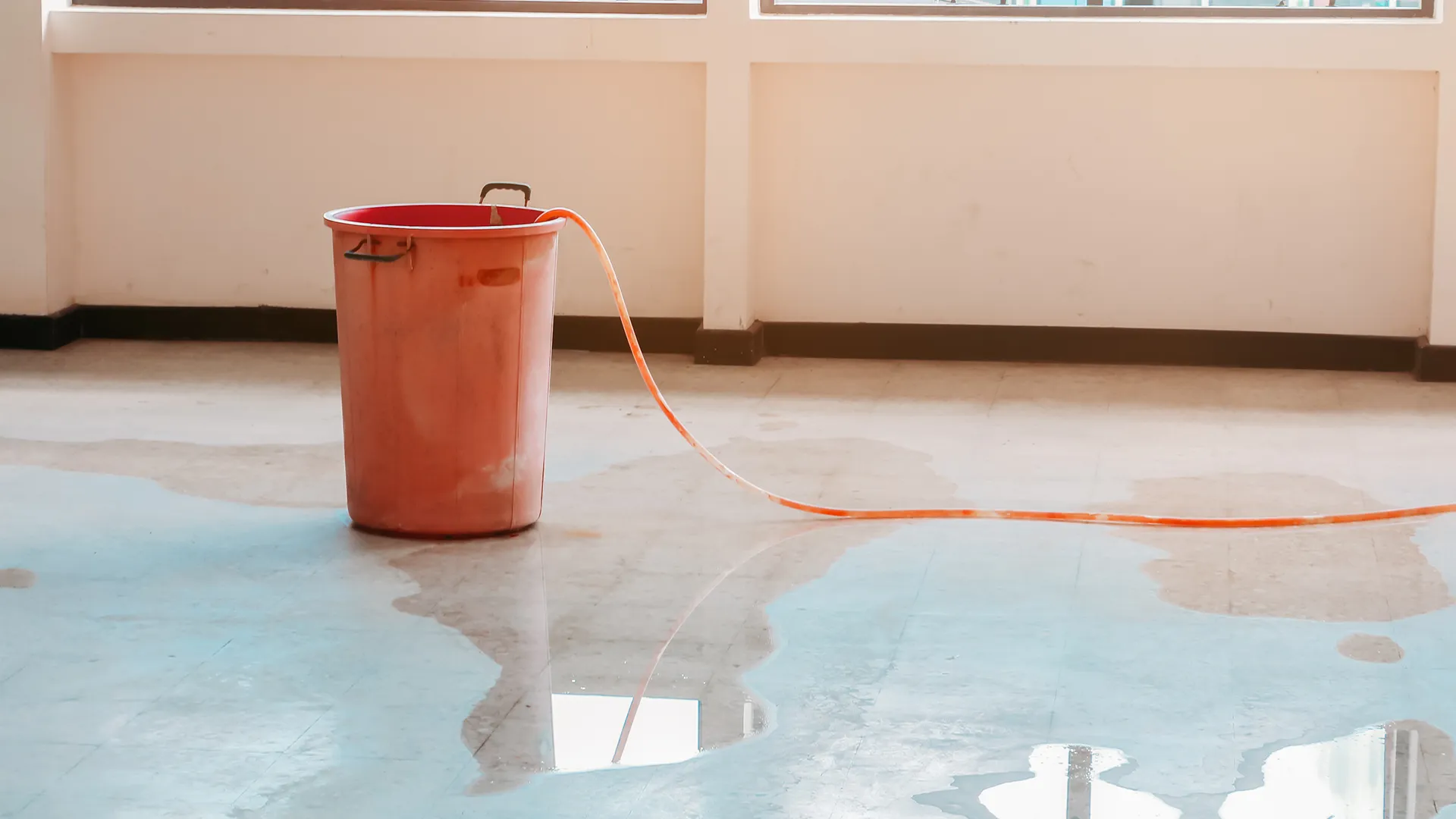
Seasonal Maintenance Tips for Property Managers: Avoiding Winter Water Damage in Bruce Township, MI
Winter in Bruce Township, Michigan, brings freezing temperatures, heavy snowfall, and repeated freeze-thaw cycles that can put significant stress on managed properties. Without preparation, these conditions often lead to burst pipes, ice dams, and costly winter water damage. Implementing proactive seasonal maintenance tips for property managers is essential to protect your buildings, tenants, and bottom line.
At Onpoint Property Restoration, we proudly partner with local property management teams to help them reduce risk and respond quickly when winter issues arise.
Inspect Plumbing Systems to Prevent Frozen and Burst Pipes
Frozen pipes remain one of the most common causes of winter water damage in Southeast Michigan. When water freezes, it expands, increasing pressure in pipes and causing sudden ruptures.
To avoid winter water damage for your property, property managers should:
- Insulate exposed pipes in basements, crawl spaces, and exterior walls
- Seal air leaks around foundations and utility penetrations
- Maintain consistent heat in vacant units
- Shut off and drain exterior hose bibs before the first freeze
These practical tips for property managers to avoid winter water damage can dramatically reduce emergency calls during extreme cold.
Address Roofing and Ice Dam Risks Early
Snow accumulation on rooftops throughout Bruce Township can create ice dams when melting snow refreezes along roof edges. This traps water beneath shingles and allows moisture to enter attic spaces and walls.
Routine roof inspections, proper attic insulation, and clear gutters help prevent water damage to your property before winter storms intensify. Identifying vulnerabilities early protects both multi-family communities and commercial facilities from interior water intrusion.
Monitor Basements and Mechanical Areas
Freeze-thaw cycles common in Michigan winters can worsen foundation cracks and minor seepage. Regular inspections of basements, boiler rooms, and mechanical areas help property management teams detect moisture issues before they escalate.
Look for early warning signs such as condensation, minor staining, or unusual humidity levels. Addressing minor issues promptly helps prevent winter water damage to your property and supports long-term asset protection.
Establish a Reliable Winter Emergency Plan
Even with strong prevention efforts, emergencies can occur. A defined response plan ensures faster mitigation and less disruption for tenants.
An effective winter strategy should include:
- A 24/7 emergency contact process
- Clear tenant communication protocols
- Pre-established restoration partnerships
- Documentation procedures for insurance claims
Partnering with a local restoration provider strengthens your overall property management strategy. Onpoint Property Restoration acts as an extension of your team, delivering rapid response, detailed reporting, and dependable coordination throughout the winter season.
Strengthen Your Winter Property Management Strategy
Proactive planning is one of the most effective ways to prevent water damage to your property and control repair costs. By following these seasonal maintenance tips for property managers, you reduce operational disruption while protecting tenant satisfaction.
Frequently Asked Questions
Below are answers to common questions property managers have about preventing and responding to winter water damage in Bruce Township, MI.
What is the leading cause of winter water damage in Michigan?
Frozen pipes and ice dams are among the most frequent sources of winter water damage in Bruce Township and surrounding areas.
How can property managers avoid winter water damage for their property?
Routine inspections, pipe insulation, roof maintenance, and a clear emergency response plan are essential for property managers to avoid winter water damage.
Why is a restoration partnership important during winter?
A local, experienced restoration partner like Onpoint Property Restoration ensures rapid mitigation, proper documentation, and minimized downtime when emergencies occur.
Partner With a Trusted Winter Restoration Team in Bruce Township
If you manage properties in Bruce Township, MI, don’t wait until freezing temperatures create costly damage—partner with Onpoint Property Restoration to strengthen your winter preparedness plan. Our team provides 24/7 emergency response, detailed documentation, and dependable restoration support to help protect your properties, tenants, and bottom line all season long.